

Where Are Artists Supposed To Go?
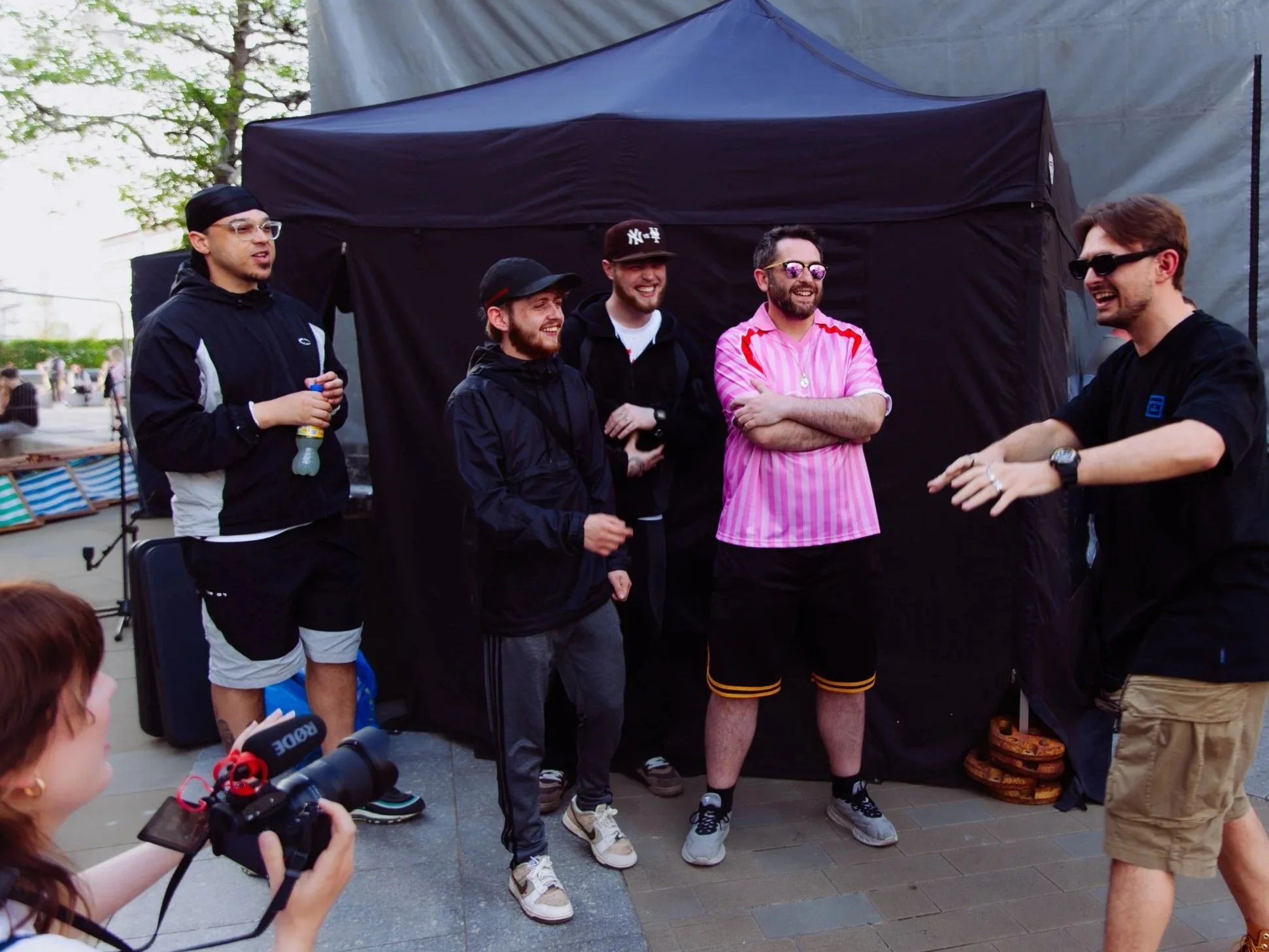
There’s a lot of conversation around supporting emerging creatives in the North East.
More showcases. More funding. More industry opportunities. More panels. More reasons for artists to stay here, rather than feeling like they need to move to London to be taken seriously.
All of that matters. But before an artist gets to the showcase, the funding application, the release campaign or the industry opportunity, they need something much more basic.
They need somewhere to go.
Somewhere to rehearse that doesn’t cost half of the gig fee. Somewhere to meet other artists that isn’t a café closing at 5pm. Somewhere to sit with ideas, have conversations, build relationships and test things out before there’s pressure for everything to be polished.
Because a music scene, or any creative community, isn’t just built on stages, events or exhibitions. It’s built in the spaces around them.
For most emerging creatives, art is their passion, but it isn’t their full-time job. It’s something they’re building around shifts, uni, caring responsibilities, unstable income and normal life. They’re fitting sessions in after work, writing on evenings, rehearsing on weekends and trying to make something happen with limited time and money.
So when the only accessible spaces are open 10–5, Monday to Friday, we have to be honest about who they’re actually accessible to.
If an artist finishes work at 5.30pm, where are they supposed to go? If they want to meet another artist, producer, DJ, videographer or creative after work, where does that happen? If they’re not ready to sell tickets yet, where do they test the idea?
Too often, artists are left working from bedrooms, building relationships through Instagram DMs and waiting until something feels polished enough to share publicly.
But that’s not really how scenes are built.
Scenes grow through repetition, proximity and informal connection. The conversations after rehearsal. The link-up that turns into a collaboration. The person who hears something and wants to get involved. The casual introduction that leads to something six months later.
Those moments need somewhere to happen.
When we look at the North East, it does make you wonder: where are the creative hubs? We don’t really have the equivalent of something like Pirate Studios, where artists can access rehearsal and recording space easily. We don’t have a Soho House-style creative members’ space. And while I’m not saying those models are perfect, the wider point still stands.
Where do creatives go when they need to be around other people?
If you’re feeling unmotivated, isolated or stuck, where do you go to have a conversation with someone who gets it?
The North East has talent. That isn’t the issue. The question is whether we have enough accessible infrastructure around that talent to help it properly develop.
Small venues are already under huge pressure. Most can’t afford to stay open every evening just so artists can gather, especially if there’s no ticketed event, bar spend or funded programme attached. Cafés and community spaces often close before people have even finished work. Studios can be expensive, and rehearsal rooms aren’t always easy to access.
But artists need more than just a studio or a stage.
They need spaces to write. Rehearse. Listen back to demos. Plan content. Meet collaborators. Host small feedback sessions. Build confidence. Try things out before they become a release, a show or a funding outcome.
That part of the process is often invisible, which means it’s easy to undervalue.
We fund the show, but not always the rehearsal.
We fund the final product, but not always the development process.
We celebrate the emerging talent moment, but not always the everyday infrastructure that helps artists get there.
And I think this is where the conversation around creative hubs and third spaces becomes really important.
Artists need spaces that aren’t home, work or somewhere they have to spend loads of money just to exist in. Spaces where people can gather naturally, without everything needing to be a formal programme, ticketed event or panel discussion.
Because the in-between moments matter.
The unfinished ideas. The messy conversations. The person who’s talented but not confident yet. The producer looking for vocalists. The DJ looking for MCs. The artist who doesn’t know where they fit yet. The young creative who just wants to be in the room and see what’s possible.
That’s where culture grows.
This isn’t just an artist issue either. If councils, funders, developers, universities and brands want to talk seriously about creative economies, cultural growth and talent retention, then space has to be part of that conversation.
But it’s also not just about opening the doors and saying the community can use the space.
If someone is early in their journey and trying to grow, how do they even find out what’s available? How do we promote these spaces properly? How do we make sure the people asking for opportunities are actually being told where to go, who to speak to and how to get involved?
It’s all well and good saying a space is open to the community, but if nobody is helping to spread the word, build trust or connect people into it, then how accessible is it really?
We can’t keep asking why artists leave the region if we’re not creating enough reasons, relationships and infrastructure for them to stay.
And we can’t expect a thriving music ecosystem if every step of the journey requires artists to pay, perform or prove themselves before they’re allowed in the room.
There’s a real opportunity here.
Not necessarily for huge new buildings or shiny creative campuses, but for practical, affordable and accessible spaces that understand how artists actually live and work.
Spaces that open outside office hours.
Spaces that feel welcoming to artists at different stages.
Spaces that support rehearsals, workshops, small performances, writing sessions, listening events, peer feedback, meetings and informal networking.
Spaces that recognise development doesn’t always look like a finished product.
Because artists don’t just need more opportunities.
They need somewhere to go before the opportunity arrives.
The North East doesn’t lack talent. It doesn’t lack ambition. It doesn’t lack people doing brilliant work with limited resources.
But if we want the region’s music scene to grow in a way that’s sustainable, inclusive and genuinely rooted here, we need to think beyond the final moment.
Beyond the showcase.
Beyond the gig.
Beyond the funding announcement.
We need to think about the everyday spaces that allow artists to meet, rehearse, collaborate and build.
Because a music scene isn’t just what happens under the lights.
It’s what happens in the room before anyone is watching.
