

Why Participatory Culture Matters More Than Perfect Production
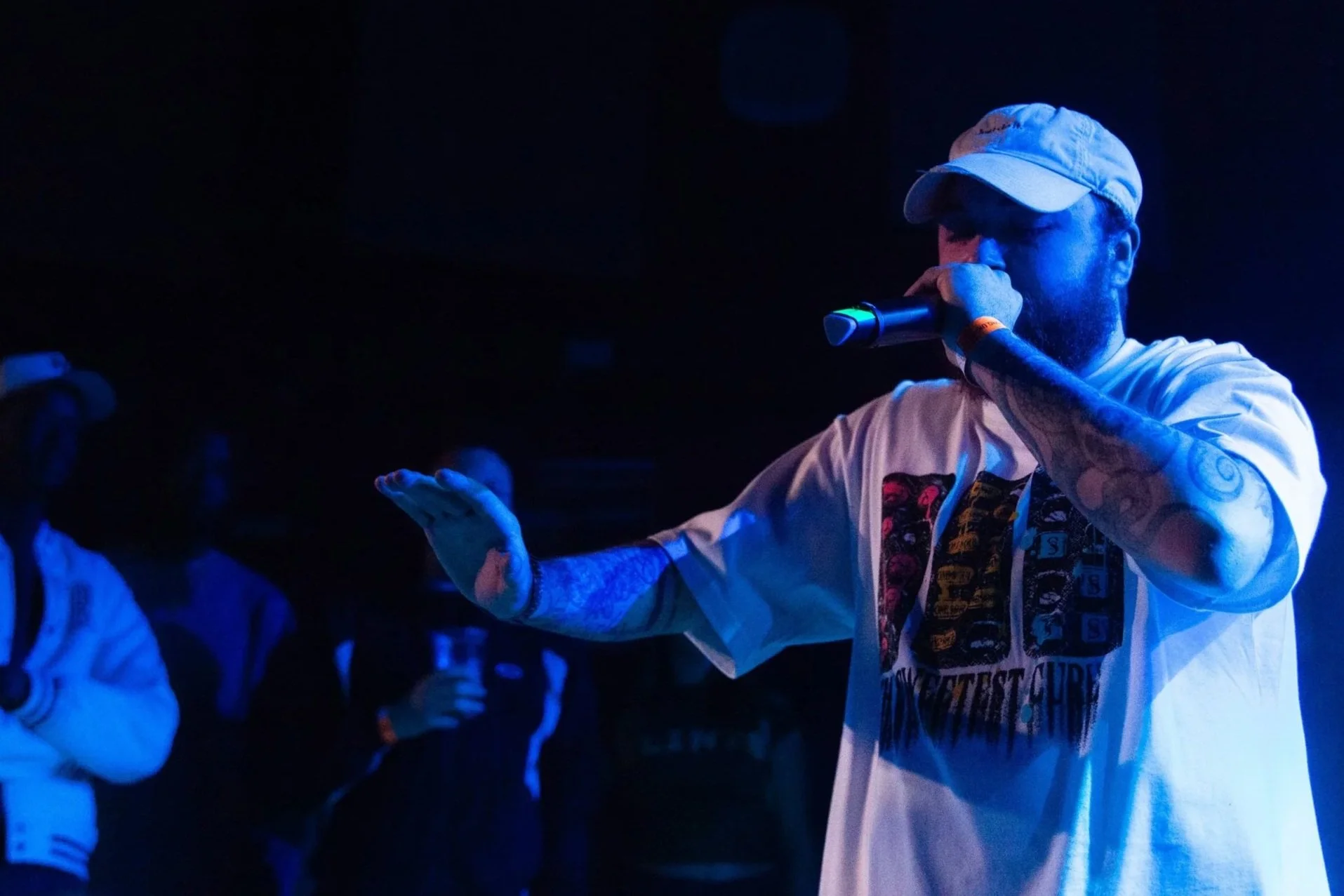
SPNI performing at CIRQLE at The Georgian Theatre by Dawn Kelly
As a team regularly immersed in hyper-local music spaces, whether through participation as DJs, promoters, supporters of local artists or collaborators with different organisations, the level of insight available to us is second to none.
We observe everything: arrival times, shifts in crowd energy, the balance between the room and the smoking area, the promotional angles that genuinely move people and the posts that create the strongest engagement. More often than not, the content that resonates most isn’t overly polished or brand-led, it’s the content that makes audiences feel seen. The content that says: you can be part of this too.
Emerging rap audiences in the North East are drawn far more strongly to participatory experiences than passive consumption. Open-call cypher moments consistently create the highest levels of energy and engagement within live environments because they collapse the gap between audience and performer, allowing younger and less experienced artists to directly participate in the culture rather than simply observe it.
And without it ever being said outright, everyone in the room understands what these moments really are: a test.
A test of artistry, confidence, consistency and passion for the scene.
It’s not easy being a young artist stepping onto a stage and delivering sixteen bars over some of grime’s most iconic instrumentals. It’s even harder when the established MC beside you has spent the last decade shelling down those same beats, to the point where the crowd already knows every lyric before they even touch the mic.
But that’s exactly why these moments matter.
Because the artists that keep coming back, despite the nerves, despite the pressure and despite the awkward early performances, slowly become part of the fabric of the scene itself.
The artist nobody knew a year ago becomes the artist the crowd now reloads word for word.
